Research

Two Papers to be presented at Ubicomp’13, Zurich
Ubicomp 2013 will be held in Zurich, Switzerland, next week, at September 8-12, 2013, in Zurich, Switzerland. Our group will present two papers at the conference: Eran will present the paper “Locality and Privacy in People-Nearby Applications” on Wednesday (Sep 11), the
Two Papers to be presented at Ubicomp’13, Zurich
Ubicomp 2013 will be held in Zurich, Switzerland, next week, at September 8-12, 2013, in Zurich, Switzerland. Our group will present two papers at the conference: Eran will present the paper “Locality and Privacy in People-Nearby Applications” on Wednesday (Sep 11), the
New Article: Locality and Privacy in People-Nearby Applications
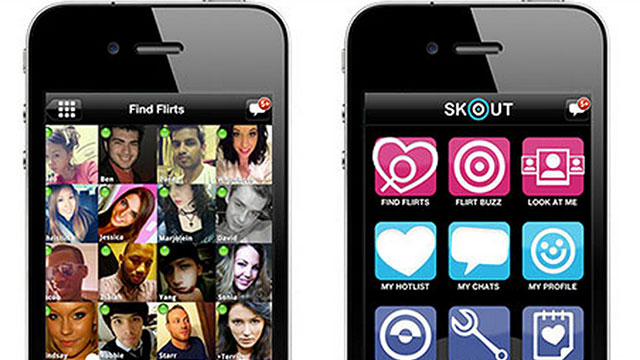
A new article was recently accepted to the Ubicomp conference: Locality and Privacy in People-Nearby Applications. The article, written with Inbal Levi, a research assistant in the group, looks at mobile applications that help users discover new people around them for
New Article: Locality and Privacy in People-Nearby Applications
A new article was recently accepted to the Ubicomp conference: Locality and Privacy in People-Nearby Applications. The article, written with Inbal Levi, a research assistant in the group, looks at mobile applications that help users discover new people around them for
Our new Cyber Grant Project
A new and exciting project is starting in our group: “User-Oriented Security: A multidisciplinary approach.” The project is a collaboration with three other faculty members, Joachim Meyer, Tal Raviv and Irad Ben-Gal, and is sponsored by a 860,000 NIS ($238,000) grant
Our new Cyber Grant Project
A new and exciting project is starting in our group: “User-Oriented Security: A multidisciplinary approach.” The project is a collaboration with three other faculty members, Joachim Meyer, Tal Raviv and Irad Ben-Gal, and is sponsored by a 860,000 NIS ($238,000) grant
What can ‘People-Nearby’ applications teach us?
`People-nearby’ applications, such as Highlight, Grindr and Badoo, are used by millions of users to meet new people online. Eran is presenting an position paper that looks at these applications as a test-case for new location-based technologies. The position paper
What can ‘People-Nearby’ applications teach us?
`People-nearby’ applications, such as Highlight, Grindr and Badoo, are used by millions of users to meet new people online. Eran is presenting an position paper that looks at these applications as a test-case for new location-based technologies. The position paper
Privacy and social intelligibility
What would happen if your phone would explain your friends why you cannot answer their call? Recently, I (Eran) had presented this issue ‘Privacy and social intelligibility’ in the Pervasive Intelligibility workshop at Pervasive 2012. The talk is based on a
Privacy and social intelligibility
What would happen if your phone would explain your friends why you cannot answer their call? Recently, I (Eran) had presented this issue ‘Privacy and social intelligibility’ in the Pervasive Intelligibility workshop at Pervasive 2012. The talk is based on a
Video lecture: Usability and Social Software
A lecture that Eran Toch had given at the World Usability Day Conference is now posted online. The Hebrew lecture is about the usability of social software, software that contains social interaction:
Video lecture: Usability and Social Software
A lecture that Eran Toch had given at the World Usability Day Conference is now posted online. The Hebrew lecture is about the usability of social software, software that contains social interaction:
What user studies can teach us about the Semantic Web?
Can the Semantic Web be a valid tool to enhance information sharing on the Internet? Will it ever justify the vision Tim Berners-Lee, James Hendler and Ora Lassila dreamt in that famous Scientific American article? Hundreds, if not thousands, of
What user studies can teach us about the Semantic Web?
Can the Semantic Web be a valid tool to enhance information sharing on the Internet? Will it ever justify the vision Tim Berners-Lee, James Hendler and Ora Lassila dreamt in that famous Scientific American article? Hundreds, if not thousands, of