Misc
Creepy Technology Roundup
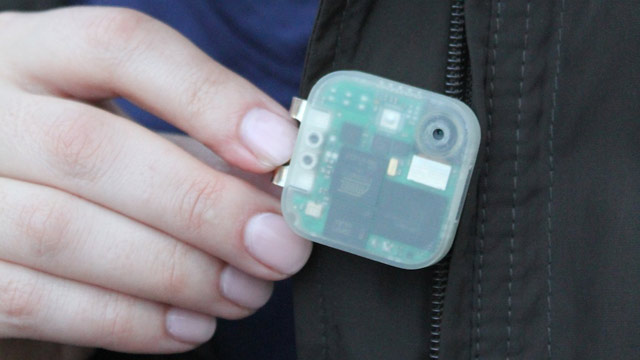
Lots of shiny new creepy technologies lately. Here is a short roundup: – How easy it is to build a creepy spying gizmo based on Raspberry Pi? According to this New York Times story, its pretty easy. – Memoto Lifelogging Camera is a
Creepy Technology Roundup
Lots of shiny new creepy technologies lately. Here is a short roundup: – How easy it is to build a creepy spying gizmo based on Raspberry Pi? According to this New York Times story, its pretty easy. – Memoto Lifelogging Camera is a
Visualizing Cellphone Antennas and Celebrities!
Interesting visualization of cellphone antennas in Manhattan. High-End Stores Use Facial Recognition Tools To Spot VIPs. NPR covers a new technology that uses facial recognition to recognize celebrities in offline shopping.
Visualizing Cellphone Antennas and Celebrities!
Interesting visualization of cellphone antennas in Manhattan. High-End Stores Use Facial Recognition Tools To Spot VIPs. NPR covers a new technology that uses facial recognition to recognize celebrities in offline shopping.
Israeli privacy roundup: In the workplace, in commercial databases and on the biometric database
Friday’s roundup has lots of stories about privacy in Israel. But before diving into that, it might be a good time to read The-Awesomest-7-Year-Postdoc or: How I Learned to Stop Worrying and Love the Tenure-track-faculty-life. A Scientific American article, providing a
Israeli privacy roundup: In the workplace, in commercial databases and on the biometric database
Friday’s roundup has lots of stories about privacy in Israel. But before diving into that, it might be a good time to read The-Awesomest-7-Year-Postdoc or: How I Learned to Stop Worrying and Love the Tenure-track-faculty-life. A Scientific American article, providing a
Friday News and Links
Leaked Israeli citizen database can help people forge the new biometric database. An eye-opening report by channel 2 (Hebrew). Privacy is not abstract when the interaction is between people. Take a look at this interesting story from Valleywag about a
Friday News and Links
Leaked Israeli citizen database can help people forge the new biometric database. An eye-opening report by channel 2 (Hebrew). Privacy is not abstract when the interaction is between people. Take a look at this interesting story from Valleywag about a
The three papers summary: Time on Facebook, People-Nearby Applications and Price in Location Sharing
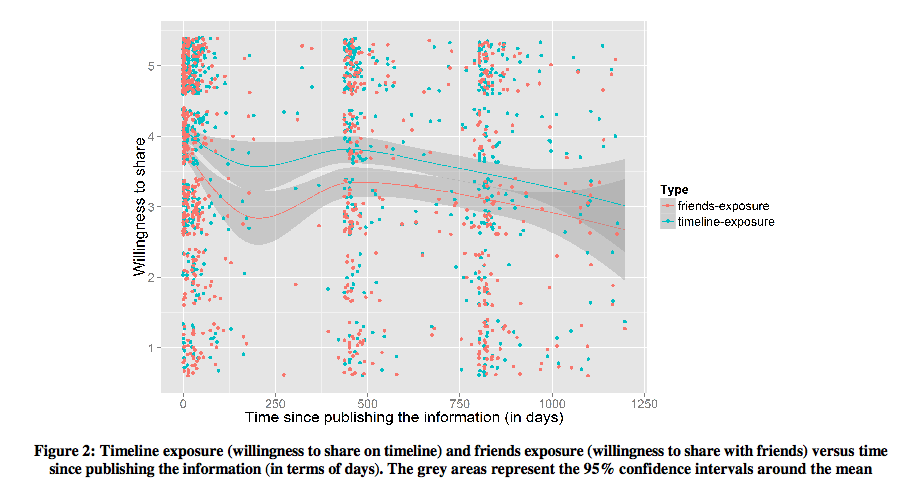
Three new papers by my group were recently accepted to various conferences. In “Retrospective Privacy – Managing Longitudinal Privacy in Online Social Networks“, Oshrat Rave Ayalon looks at something we all battle with from time to time: what do we
The three papers summary: Time on Facebook, People-Nearby Applications and Price in Location Sharing
Three new papers by my group were recently accepted to various conferences. In “Retrospective Privacy – Managing Longitudinal Privacy in Online Social Networks“, Oshrat Rave Ayalon looks at something we all battle with from time to time: what do we
New Paper: The Price Is Right? Economic Value of Location Sharing
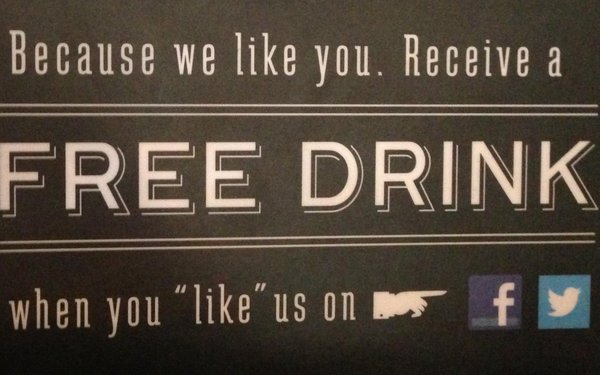
A new paper was just accepted to the 2nd ACM Workshop on Mobile Systems for Computational Social Science. The paper, written by Omer Barak, Gabriella Cohen, Alla Gazit and Eran Toch, is based on a class project of the first
New Paper: The Price Is Right? Economic Value of Location Sharing
A new paper was just accepted to the 2nd ACM Workshop on Mobile Systems for Computational Social Science. The paper, written by Omer Barak, Gabriella Cohen, Alla Gazit and Eran Toch, is based on a class project of the first

Why the Law cannot understand Facebook? And can we design privacy beyond the middle class
In the fascinating New Yorker article, “The Prism”, Jill Lepore chronicles the history of privacy through time, trying to solve some mysteries, such as why many organizations that promote privacy also promote government openness. Towards the end of the article, Lepore mentions
Why the Law cannot understand Facebook? And can we design privacy beyond the middle class
In the fascinating New Yorker article, “The Prism”, Jill Lepore chronicles the history of privacy through time, trying to solve some mysteries, such as why many organizations that promote privacy also promote government openness. Towards the end of the article, Lepore mentions